
.
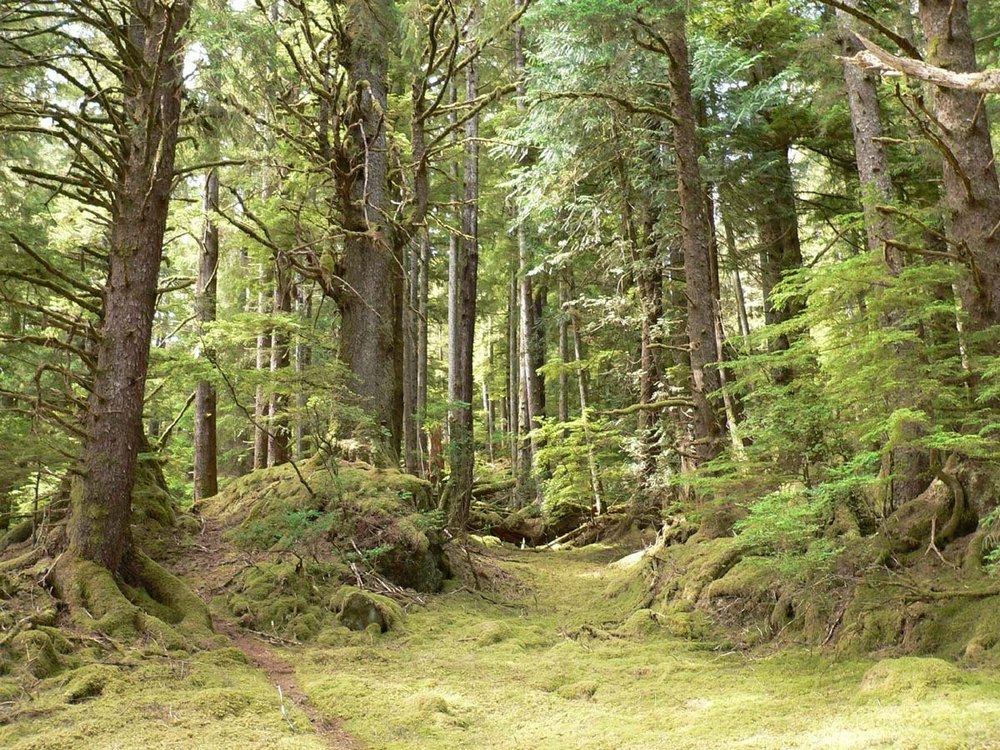
Haida Gwaii BC
PM photography
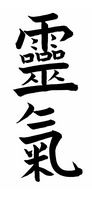
What does Reiki mean
Reiki, pronounced "ray-key"
Rei = natural or universal force
Ki = the unseen, non physical life supporting energy.
Rei = natural or universal force
Ki = the unseen, non physical life supporting energy.
What is Reiki
This healing practice was developed in the early 20th century by Zen Buddhist Master Mikao Usui in Japan. It is reported that during a period of fasting on Mount Kurama in 1922 he attained enlightenment and had been given an ability to heal. Since its inception this traditional practice is one that has been passed from Master to Student through a process of sacred “attunements”. Mikao Usui named the modality and established the 5 principles which remain as guiding directives to this day.
The Five Principles of Reiki
Do not Anger
Do not Worry
Be filled with Gratitude
Be diligent in your Work
Be Kind to All Things
Do not Worry
Be filled with Gratitude
Be diligent in your Work
Be Kind to All Things
Just for today
How does Reiki work
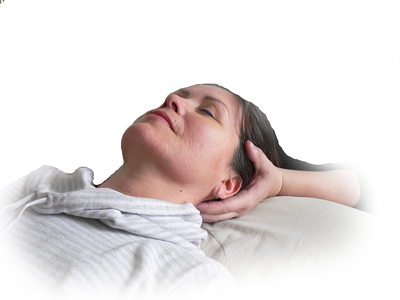
Reiki is a healing modality performed by a Reiki Practitioner that involves the use of gentle hand movements with traditional positioning to support activation of energy flow. Reiki is practiced to stimulate that flow of “life force energy” throughout the client's body to alleviate stress and promote healing. Working with either light touch or “off” the body this modality is especially effective for those that cannot be touched due to injury or a particular sensitivity.
Reiki daily Self Care
Daily Reiki Self Care is a key component to achieving and maintaining regulation of vital life force energy, including heart rate and the ability to access the “rest and restore” functions of our body. Traditionally there is a three-position hand placement and an eight-position hand placement which can be demonstrated and taught to any client wishing to participate in their own energetic self governance. In our lives of stress and strain consistent daily practice allows us to develop our own ability to find inner calm at any time of the day.
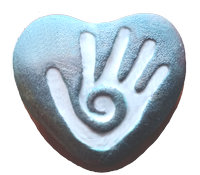

What does Reiki mean
Reiki, pronounced "ray-key"
Rei = natural or universal force
Ki = the unseen,
non physical life supporting energy.
Rei = natural or universal force
Ki = the unseen,
non physical life supporting energy.
What is Reiki
This healing practice was developed in the early 20th century by Zen Buddhist Master Mikao Usui in Japan. It is reported that during a period of fasting on Mount Kurama in 1922 he attained enlightenment and had been given an ability to heal. Since its inception this traditional practice is one that has been passed from Master to Student through a process of sacred “attunements”. Mikao Usui named the modality and established the 5 principles which remain as guiding directives to this day.
The Five Principles of Reiki
Just for today
Do not Anger
Do not Worry
Be filled with Gratitude
Be diligent in your Work
Be Kind to All Things
Do not Worry
Be filled with Gratitude
Be diligent in your Work
Be Kind to All Things
How does Reiki work
Reiki is a healing modality performed by a Reiki Practitioner that involves the use of gentle hand movements with traditional positioning to support activation of energy flow. Reiki is practiced to stimulate that flow of “life force energy” throughout the client's body to alleviate stress and promote healing. Working with either light touch or “off” the body this modality is especially effective for those that cannot be touched due to injury or a particular sensitivity.
Reiki daily Self Care
Daily Reiki Self Care is a key component to achieving and maintaining regulation of vital life force energy, including heart rate and the ability to access the “rest and restore” functions of our body. Traditionally there is a three-position hand placement and an eight-position hand placement which can be demonstrated and taught to any client wishing to participate in their own energetic self governance. In our lives of stress and strain consistent daily practice allows us to develop our own ability to find inner calm at any time of the day.
Haida Gwaii BC
PM photography